
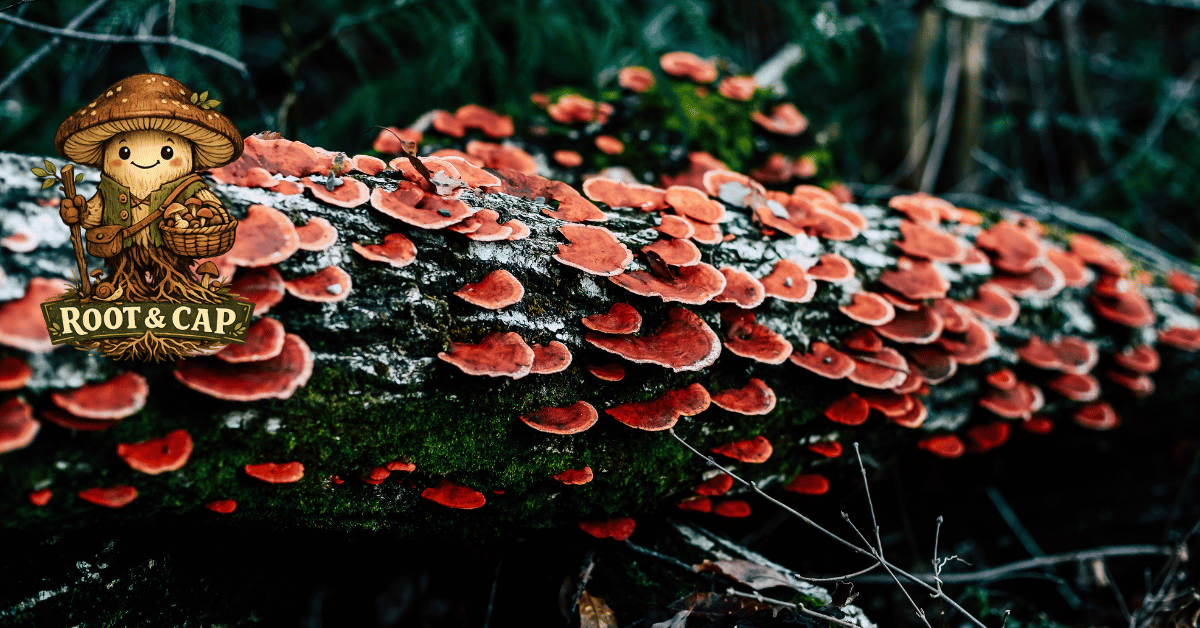
Understanding Flavor, Nutrition, Sustainability, and Safety
Mushrooms occupy a unique place in our food system. They are neither plant nor animal, yet they nourish both our bodies and ecosystems in remarkable ways. From foraged chanterelles nestled in forest duff to carefully cultivated oyster mushrooms grown on agricultural byproducts, fungi bridge the wild and the farmed in fascinating ways.
At Root and Cap Farm, we believe in education as much as cultivation. Understanding the differences between wild and cultivated mushrooms empowers chefs, home cooks, and curious consumers to make informed, responsible choices. In this article, we’ll explore how wild and cultivated mushrooms differ in flavor, nutrition, environmental impact, accessibility, and safety—grounded in research and practical experience.
What Are Wild Mushrooms?
Wild mushrooms grow naturally in forests, grasslands, and other ecosystems without direct human intervention. They are typically foraged rather than farmed. Well-known examples include chanterelles, morels, porcini, and matsutake.
Wild mushrooms often form complex ecological relationships. Many are mycorrhizal, meaning they form mutually beneficial partnerships with trees and plants. Through this relationship, fungi exchange nutrients with plant roots, supporting forest health and soil vitality.
Because their growth depends on environmental conditions—rainfall, temperature, soil composition, host trees—wild mushrooms are seasonal and variable. No two harvests are exactly the same.
What Are Cultivated Mushrooms?
Cultivated mushrooms are grown intentionally in controlled environments using agricultural substrates such as straw, sawdust, composted manure, or other plant-based materials. Examples include oyster mushrooms, shiitake mushrooms, lion’s mane mushrooms, and button mushrooms.
Commercial mushroom cultivation began in earnest in Europe in the 17th century with button mushrooms, and today it is a global agricultural industry. Modern cultivation techniques allow for consistent production, standardized quality, and year-round availability.
Unlike many wild species, cultivated mushrooms are typically saprotrophic—they feed on decomposing organic matter rather than forming symbiotic partnerships with living trees. This makes them more adaptable to controlled growing systems.
Flavor and Culinary Experience
Wild Mushrooms: Complexity and Terroir
Wild mushrooms are often prized for their deep, nuanced flavors. Chefs frequently describe porcini as nutty and meaty, chanterelles as fruity and peppery, and morels as earthy and savory.
Part of this complexity may stem from environmental variables—soil chemistry, surrounding vegetation, climate, and microbial interactions. Similar to wine, there is an emerging interest in the idea of fungal “terroir,” though scientific research in this area is still developing.
However, flavor intensity can vary widely from one harvest to another. Seasonality also means they are typically available only for short windows each year.
Cultivated Mushrooms: Consistency and Versatility
Cultivated mushrooms offer reliability. Oyster mushrooms can range from delicate and sweet to robust and savory, depending on the strain and growing conditions. Shiitake mushrooms are known for their umami depth. Lion’s mane provides a seafood-like texture when cooked.
While some argue that cultivated mushrooms are less complex than wild varieties, modern specialty cultivation has significantly expanded flavor diversity. Controlled growing environments can optimize texture, moisture content, and post-harvest handling—factors that strongly influence culinary performance.
For restaurants and home cooks seeking dependable supply and quality, cultivated mushrooms provide practical advantages without sacrificing creativity.
Nutritional Differences: What Does the Research Say?
Both wild and cultivated mushrooms are nutrient-dense foods. They are generally low in calories and fat, contain dietary fiber, and provide important micronutrients such as:
- B vitamins (riboflavin, niacin, pantothenic acid)
- Minerals (selenium, copper, potassium)
- Ergothioneine (a sulfur-containing antioxidant found in high concentrations in mushrooms)
Bioactive Compounds
Mushrooms also contain bioactive compounds such as beta-glucans, which have been studied for their role in immune modulation. Research indicates that certain cultivated species like shiitake and oyster mushrooms contain significant beta-glucan levels. Wild species may contain unique polysaccharide profiles, but concentrations vary by species and environment.
It’s important to note that while laboratory and animal studies show promising results for immune-supportive and antioxidant properties, human clinical research is still evolving. Mushrooms should be viewed as nutritious whole foods—not as medical treatments.
Nutrient Variability
Wild mushrooms can show significant variability in nutrient composition depending on soil composition, weather patterns, and maturity at harvest. Some studies suggest that wild mushrooms may accumulate higher mineral levels due to soil diversity. However, they can also accumulate environmental contaminants (more on this below).
Cultivated mushrooms benefit from standardized substrates, which support more consistent nutrient profiles and quality control.
Environmental Impact and Sustainability
Wild Foraging: Benefits and Risks
Responsible foraging can be ecologically sustainable when conducted with care and expertise. In many ecosystems, harvesting the fruiting body of a mushroom does not destroy the underlying mycelial network.
However, overharvesting, habitat disturbance, and commercial exploitation can pose risks—particularly for high-demand species like morels and matsutake. Additionally, climate change is altering fruiting patterns and distribution ranges, making wild harvests less predictable.
Ethical foraging requires knowledge, restraint, and respect for local ecosystems.
Cultivated Mushrooms: Circular Agriculture
Cultivated mushrooms are often cited as one of the most sustainable protein sources available. They can be grown vertically, require relatively little land, and efficiently convert agricultural byproducts—such as straw or hardwood sawdust—into edible food.
Studies from agricultural sustainability research show that mushroom production has a comparatively low greenhouse gas footprint per kilogram of protein when compared to many animal-based foods. Additionally, spent mushroom substrate can be composted and returned to soil systems, contributing to circular agricultural models.
At Root and Cap Mushroom Company, we view cultivation not just as production—but as regeneration. Thoughtful substrate sourcing, energy-efficient growing systems, and waste reuse are central to responsible mushroom farming.
Safety Considerations
Identification Risks
One of the most significant differences between wild and cultivated mushrooms is safety.
Wild mushroom identification requires expertise. Many edible species have toxic look-alikes. Misidentification can lead to severe illness or even death. According to poison control data, mushroom poisoning cases occur every year due to improper identification.
Foraging should only be undertaken by trained individuals or guided by experienced mycologists.
Contaminant Accumulation
Mushrooms naturally absorb compounds from their environment. This includes beneficial minerals, but also potentially harmful substances like heavy metals or pollutants if growing in contaminated soil.
Wild mushrooms harvested from roadside areas, industrial sites, or polluted regions may accumulate contaminants.
Cultivated mushrooms are grown in controlled environments using tested substrates, reducing the risk of environmental contamination and offering traceability.
Accessibility and Equity
Wild mushrooms are seasonal, geographically dependent, and often expensive due to limited supply and labor-intensive harvesting.
Cultivated mushrooms, by contrast, can be grown year-round and distributed more widely. This increases accessibility to nutrient-dense foods and reduces price volatility. Local cultivation also strengthens regional food systems and reduces transportation impacts.
By supporting regional growers, consumers can enjoy fresh mushrooms while contributing to community-based agriculture.
Texture and Culinary Performance
Texture is often overlooked but deeply important.
Wild mushrooms like morels have honeycomb structures that trap sauces beautifully. Porcini offer firm, meaty density. However, wild mushrooms can sometimes carry soil debris or insects and require careful cleaning.
Cultivated mushrooms are typically cleaner at harvest, making preparation more straightforward. Specialty varieties like lion’s mane offer unique textures that replicate crab or lobster when sautéed—expanding plant-forward culinary possibilities.
The Case for Both
Rather than framing wild and cultivated mushrooms as competitors, it may be more useful to view them as complementary.
Wild mushrooms offer a connection to forests, seasonality, and biodiversity. They provide culinary adventure and ecological insight.
Cultivated mushrooms offer reliability, safety, scalability, and sustainable production systems that can feed communities year-round.
Both contribute to a deeper appreciation of fungi as food and ecological partners.
Making Informed Choices
When choosing between wild and cultivated mushrooms, consider:
- Source transparency
- Harvesting practices
- Environmental impact
- Food safety
- Seasonal availability
- Culinary purpose
For most consumers, locally cultivated mushrooms provide the most accessible, sustainable, and safe option. Wild mushrooms, when responsibly sourced, can offer extraordinary seasonal experiences.
Final Thoughts
Mushrooms are more than ingredients—they are ecological connectors, culinary tools, and evolving subjects of scientific research. Whether growing in forest soil or cultivated on recycled agricultural materials, fungi demonstrate extraordinary efficiency and resilience.
As research continues into mushroom nutrition, bioactive compounds, and sustainable agriculture systems, one thing remains clear: mushrooms deserve thoughtful cultivation, responsible harvesting, and informed appreciation.
At Root and Cap Farm, we believe in honoring both the wild origins of fungi and the innovative cultivation methods that bring them to our tables year-round. By understanding the differences between wild and cultivated mushrooms, we can celebrate their strengths—and make choices that nourish both people and planet.
Interested in learning more about specialty mushroom cultivation and sustainability?
Explore our growing guides, seasonal offerings, and educational resources as we continue to share the science and story behind the fungi we grow.