
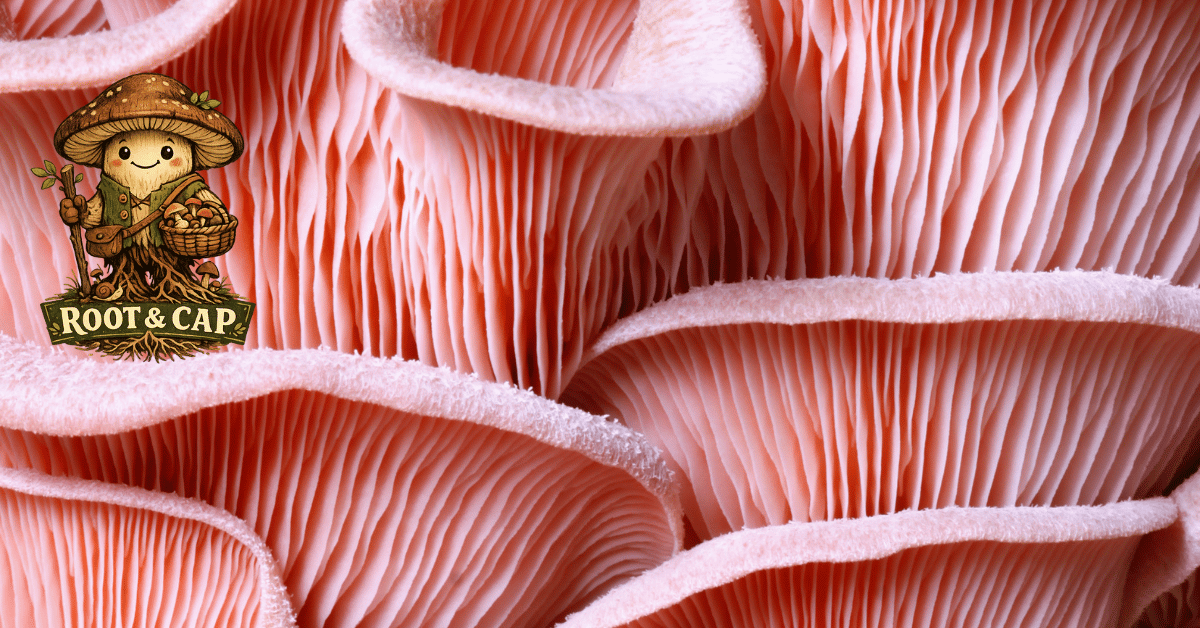
Graceful in form and adaptable by nature, oyster mushrooms are among the most widely grown fungi in the world. Their fan-shaped caps, soft texture, and mild savory flavor make them a favorite for growers and cooks alike. This article explores what makes this species so distinctive—from how it grows to why it plays such an important role in sustainable food systems—and sets the stage for our guide on how to cook oyster mushrooms.
What They Are
This mushroom belongs to the Pleurotus genus, a group known for growing in layered clusters that resemble shells or petals. In natural environments, these fungi colonize hardwood trees, where they act as decomposers—breaking down complex plant material and recycling nutrients back into the ecosystem.
Their ability to thrive in a wide range of conditions has made them especially important in modern cultivation, from small indoor farms to large-scale agricultural operations.
Common Types You’ll See


Although often discussed as a single category, there are several recognizable varieties, each with its own look and culinary strengths:
- Pearl or blue types with gray-blue caps and a mild, familiar flavor
- King varieties with thick, dense stems valued for their meaty texture
- Pink forms that grow quickly and add striking color
- Golden clusters with a bright hue and delicate structure
All share a tender bite and an ability to absorb seasoning well, which helps explain their broad appeal.
How They Grow
These fungi are saprotrophic, meaning they feed on dead organic matter rather than living plants. In cultivation, they are commonly grown on straw, sawdust, or other agricultural byproducts—materials that might otherwise be discarded.
Growth is fast. Under the right temperature and humidity, harvestable clusters can appear in as little as two weeks. This efficiency, combined with low resource requirements, makes them a common entry point for new mushroom growers and a strong example of circular agriculture.
Nutrition and Ongoing Research
From a nutritional standpoint, this species is valued as a whole food rather than a supplement. It is:
- Low in calories and fat
- A source of dietary fiber
- Rich in B vitamins
- A contributor of minerals such as potassium
Researchers continue to study the polysaccharides found in these mushrooms, including beta-glucans, for their potential role in immune and metabolic health. While early findings are promising, this work is still evolving, and current evidence supports their role as a nutritious food—not a medical intervention.
Sustainability Matters
Few cultivated fungi illustrate sustainability as clearly. By transforming agricultural waste into food, this mushroom helps reduce landfill use and adds value to existing farming systems. It can be grown indoors year-round, requires relatively little water, and produces minimal runoff.
Some strains have also been studied for environmental remediation, including breaking down pollutants. These applications remain largely experimental, but they highlight the broader ecological potential of fungi.
Why Cooks Keep Reaching for Them
In the kitchen, this mushroom is prized for texture. When cooked, it becomes tender with lightly crisp edges, pulling apart in strands that work well in sautés, roasts, stir-fries, and plant-forward dishes. Its mild flavor allows it to take on herbs, spices, and sauces without overpowering them.
For practical techniques and preparation tips, head to our companion piece on how to cook oyster mushrooms, where we focus on methods that bring out their best qualities.
At Root and Cap
At Root and Cap Mushroom Company, this species represents much of what we value: adaptability, efficiency, and respect for natural systems. Whether you’re encountering it for the first time or returning to a familiar ingredient, it offers a clear window into how fungi connect ecology, food, and flavor.
Understanding what’s inside the mushroom deepens appreciation for what ends up on the plate—and why it matters.
Leave a Reply