
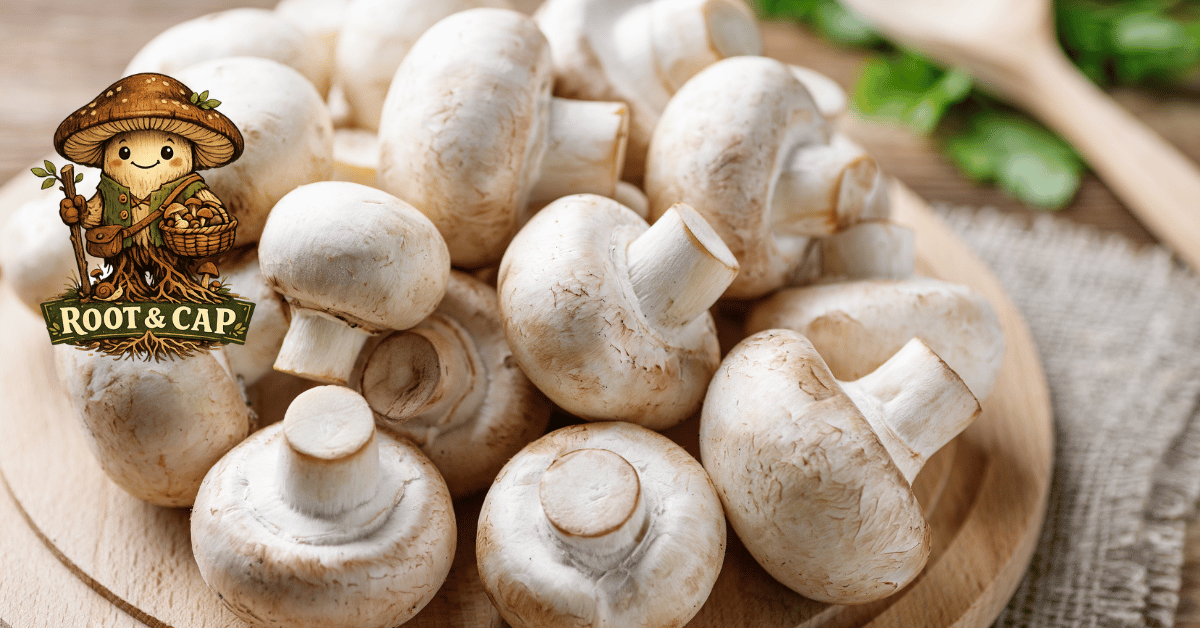
Fresh mushrooms are delicate. Store them the wrong way, and they turn slimy, dry, or rubbery in a matter of days. Store them correctly, and they can stay firm, flavorful, and usable for over a week.
The key is understanding that mushrooms are not vegetables—they’re fungi. That difference matters when it comes to moisture, airflow, and temperature. In this guide, we’ll break down exactly how to store fresh mushrooms so they last longer without ruining texture, plus what to avoid, how storage differs by mushroom type, and when it’s time to use or toss them.
Why Mushrooms Spoil Faster Than You Expect
Fresh mushrooms are made up of about 90% water and continue to respire after harvest. They absorb moisture easily but also dry out quickly, which is why common storage mistakes—like sealing them in plastic or washing them too soon—cause problems.
When stored improperly, mushrooms tend to:
- Trap moisture and become slimy
- Dry out and wrinkle
- Lose firmness and aroma
- Develop off smells from accelerated breakdown
Good storage balances airflow and humidity, slowing spoilage without dehydrating the mushrooms.
The Best Way to Store Fresh Mushrooms (Step-by-Step)
1. Keep Them Unwashed Until Use
Do not wash mushrooms before storing them. Excess water speeds up spoilage and damages texture. If they’re visibly dirty, gently brush off debris with a dry cloth or soft brush.
2. Use Breathable Packaging
The ideal container allows mushrooms to breathe while absorbing excess moisture.
Best options:
- A paper bag
- The original cardboard carton, loosely covered
- A container lined with a dry paper towel
Avoid airtight plastic containers or sealed produce bags.
3. Refrigerate in the Right Spot
Store mushrooms in the refrigerator, ideally in a crisper drawer or on a shelf away from strong-smelling foods. Mushrooms absorb odors easily.
Ideal temperature: 34–38°F (1–3°C)
4. Check and Refresh
Every few days:
- Replace damp paper towels
- Remove any mushrooms that are soft or slimy to prevent spread
When stored properly, most fresh mushrooms last 5–10 days, depending on variety.
How Storage Differs by Mushroom Type
Not all mushrooms behave the same. Here’s how common varieties differ:
- Button, cremini, portobello: Fairly resilient; store well in paper bags
- Oyster mushrooms: Delicate; use within 3–5 days and ensure airflow
- Shiitake: Slightly drier; store cap-down to protect gills
- Wild or specialty mushrooms: Short shelf life; use as soon as possible
When in doubt, prioritize airflow over sealing.
Storage Methods to Avoid
Some common advice does more harm than good.
- Plastic bags: Trap moisture → slime
- Washing before storage: Speeds decay
- Room-temperature storage: Only acceptable for very short periods
- Freezing raw mushrooms: Destroys texture
If you plan to freeze mushrooms, always cook them first.
How to Tell If Mushrooms Have Gone Bad
Discard mushrooms if you notice:
- A slimy or sticky surface
- Strong sour or fishy odors
- Darkened, mushy spots
- Visible mold
A little dryness or minor discoloration is usually fine—but sliminess is a clear sign to toss them.
Can You Extend Shelf Life by Cooking First?
Yes. Cooking mushrooms (sautéing or roasting) before storage can extend usability by 2–3 days when refrigerated in an airtight container. Texture will change, but flavor often deepens.
This is a great option if mushrooms are nearing the end of their fresh window.
FAQ
Most fresh mushrooms last 5–10 days when stored unwashed in breathable packaging in the refrigerator.
Paper is best. It allows airflow and absorbs excess moisture, preventing slime.
It’s not recommended. Washing before storage adds moisture that accelerates spoilage. Clean mushrooms right before cooking instead.
Yes, as long as they are not slimy, moldy, or foul-smelling. Wrinkling usually means moisture loss, not spoilage.
No. Freezing raw mushrooms ruins their texture. Cook them first, then freeze.
Leave a Reply