
Fresh mushrooms are one of the most misunderstood ingredients in the kitchen. They’re often treated as a side note—sliced thin, crowded into a pan, and cooked until pale and watery. When that happens, it’s easy to conclude that mushrooms are boring, rubbery, or “just okay.”
In reality, mushrooms are one of the most expressive, versatile, and technique-sensitive ingredients a cook can work with. Their flavor deepens with proper heat. Their texture can range from delicate to meaty depending on how they’re handled. And small decisions—pan size, fat choice, timing—make a dramatic difference in the final dish.
This guide focuses on how to cook fresh mushrooms well, with an emphasis on flavor development, texture control, and practical techniques you can use at home. Whether you’re sautéing oyster mushrooms for a weeknight dinner, roasting a mix of varieties, or grilling mushrooms as a main component of a meal, the same core principles apply.
Understanding Mushrooms as an Ingredient
Before getting into techniques, it helps to understand what mushrooms actually are from a cooking perspective.
Mushrooms Are Mostly Water
Fresh mushrooms are made up of a high percentage of water. This is the single most important factor in how they cook. When mushrooms hit heat, that water begins to release. If the pan is crowded or the heat is too low, the mushrooms steam in their own moisture instead of browning.
This is why mushrooms often turn out soggy: not because of washing, but because the water never had a chance to evaporate quickly.
Mushrooms Behave More Like Protein Than Vegetables
Despite often being grouped with vegetables, mushrooms behave more like proteins in the pan. They need:
- Adequate heat
- Space
- Time without constant stirring
Handled correctly, mushrooms brown deeply, develop savory flavors, and take on satisfying textures that can anchor a dish rather than merely accompany it.
Freshness Matters More Than Many People Realize
Very fresh mushrooms cook differently from older ones. They release moisture more predictably, brown more evenly, and retain better structure. This becomes especially noticeable with varieties like lion’s mane, oyster mushrooms, and chanterelles, where texture is a defining feature.
Preparing Mushrooms for Cooking
Good cooking starts before the pan ever gets hot.

Cleaning: Keep It Simple
Contrary to old kitchen myths, mushrooms do not absorb large amounts of water when washed quickly. The key is speed.
Best practice:
- Brush off visible dirt when possible
- If needed, rinse briefly under cold water
- Dry thoroughly with a towel before cooking
Avoid soaking mushrooms. Extended contact with water adds surface moisture that interferes with browning.
Trimming and Cutting
How you cut mushrooms affects both texture and cooking time.
- Slice for quick sautés and stir-fries
- Tear oyster mushrooms by hand for better texture and irregular edges that brown well
- Leave whole or in large pieces when roasting or grilling to preserve moisture inside while browning the exterior
Uniform size matters. Pieces that are too small overcook quickly; pieces that are too large may brown unevenly.
The Core Techniques for Cooking Fresh Mushrooms
Most mushroom dishes rely on a small set of techniques. Master these, and you can adapt them endlessly.
How to Sauté Mushrooms
Sautéing is the most common—and most often mishandled—way to cook mushrooms.
What Sautéing Does Best
- Develops deep savory flavor
- Creates crisp edges and tender interiors
- Works for nearly all mushroom varieties
Step-by-Step Sautéing Method
- Use a wide pan. Space is critical.
- Preheat the pan fully before adding fat.
- Add oil or butter, then mushrooms immediately.
- Do not stir constantly. Let mushrooms sit and brown.
- Season after moisture releases, not immediately.
At first, mushrooms will release water. This is normal. Keep the heat steady. Once the liquid evaporates, browning begins.
Common Sautéing Mistakes
- Overcrowding the pan
- Using heat that’s too low
- Stirring too often
- Salting too early (which accelerates moisture release)
How to Roast Mushrooms
Roasting concentrates flavor and creates a firmer, meatier texture.
When Roasting Works Best
- Large batches
- Mixed mushroom varieties
- Mushrooms intended for bowls, pastas, or sides
Roasting Technique
- Use a hot oven (425°F / 220°C)
- Toss mushrooms lightly with oil
- Spread in a single layer on a sheet pan
- Roast until deeply browned, turning once if needed
Crowding the pan leads to steaming, even in the oven. If necessary, use two pans instead of one.
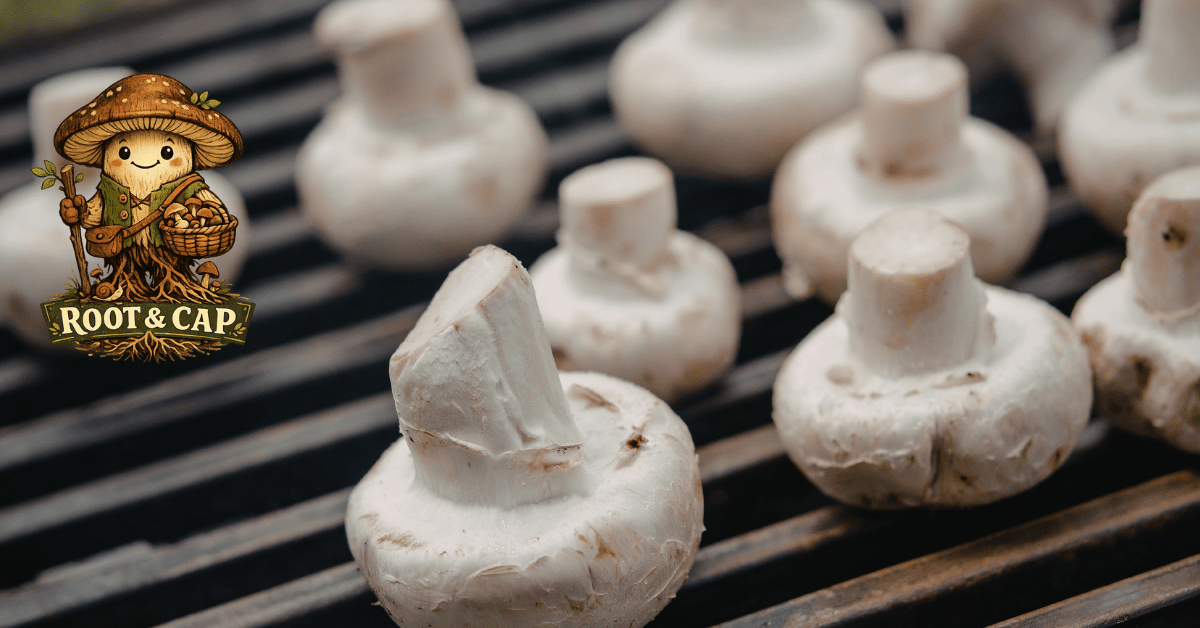
How to Grill Mushrooms
Grilling brings out smoky, savory notes and works especially well for mushrooms used as a main component.
Best Mushrooms for Grilling
- Large oyster mushrooms
- Lion’s mane
- Whole clusters or thick slices
Grilling Tips
- Oil mushrooms lightly before grilling
- Use medium-high heat
- Grill until marked and tender, not dried out
Because mushrooms release moisture, flare-ups are less common than with meat, but steady heat is still important.
Cooking Mushrooms as the Center of the Plate
One of the most effective ways to elevate mushrooms is to treat them as the primary ingredient rather than a garnish.
Techniques That Support Center-of-Plate Dishes
- Cooking mushrooms in large pieces
- Building flavor through browning first, seasoning later
- Pairing with fats, acids, and herbs that complement (not overpower)
Examples include:
- Thick slices of lion’s mane seared and served with a simple sauce
- Roasted oyster mushrooms layered into grain bowls
- Sautéed mushrooms finished with lemon or vinegar to balance richness
Fat, Seasoning, and Timing
Oil vs Butter
- Oil handles higher heat and promotes browning
- Butter adds flavor but burns more easily
A common approach is to start with oil and finish with butter once browning has occurred.
When to Salt Mushrooms
Salt draws out moisture. If added too early, it can slow browning. Many cooks prefer to:
- Brown mushrooms first
- Season once the moisture has released and evaporated
Herbs, Garlic, and Aromatics
Add delicate ingredients near the end of cooking. Garlic, in particular, burns quickly and should go in once mushrooms are nearly done.
Why Texture Is as Important as Flavor
Texture is often the difference between mushrooms people love and mushrooms people avoid.
- Undercooked mushrooms can be spongy
- Overcooked mushrooms can be dry and leathery
- Properly cooked mushrooms are tender, structured, and deeply savory
Paying attention to heat, moisture, and timing is what creates that balance.
Storing Fresh Mushrooms Before Cooking
Good cooking starts with good storage.
Best Storage Practices
- Keep mushrooms refrigerated
- Store in breathable packaging (paper bags work well)
- Avoid sealed plastic containers that trap moisture
Mushrooms stored properly will cook more predictably and taste better.
Frequently Asked Questions About Cooking Fresh Mushrooms
Yes—if they’re dirty. A quick rinse followed by thorough drying will not ruin mushrooms. Soaking them will.
Usually, it is because of overcrowding, low heat, or stirring too frequently. Water must evaporate before browning can begin.
Both have their place. Oil is better for initial cooking at higher heat; butter is best added later for flavor.
Yes. Properly cooked mushrooms reheat well and are often used this way in professional kitchens.
Softness alone isn’t the goal. Look for browned surfaces, reduced moisture, and a concentrated aroma.
Final Thoughts
Cooking fresh mushrooms well is less about recipes and more about technique and attention. Once you understand how mushrooms release moisture, respond to heat, and develop flavor, they become one of the most rewarding ingredients in the kitchen.
Handled with care, mushrooms can be crisp or tender, delicate or hearty, subtle or deeply savory. Whether you’re cooking a simple side or building an entire meal around them, the fundamentals remain the same: give them space, give them heat, and let them do what they do best.
Leave a Reply