
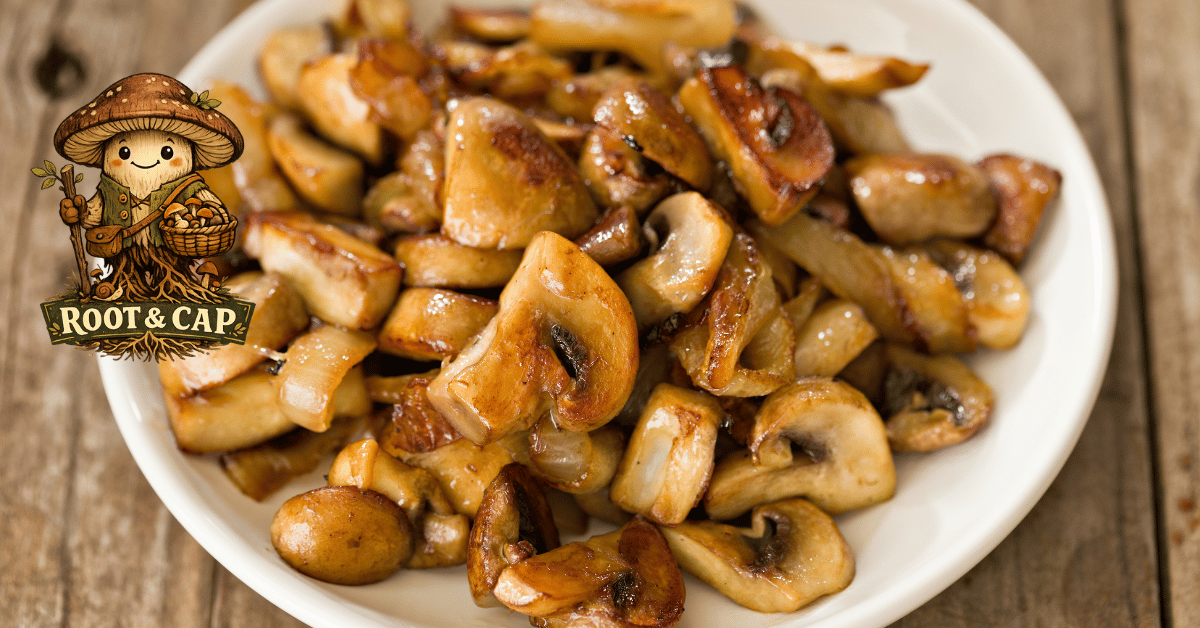
When mushrooms start piling up in the fridge, freezing can seem like an easy solution. The question many cooks ask is simple: can you freeze mushrooms and still get good results later?
The answer is yes—with one important condition. Mushrooms freeze well only after they’ve been cooked. Freezing them raw almost always leads to poor texture and excess water once thawed.
This guide explains how freezing affects mushrooms, why cooking first matters, and the best way to preserve them for future meals.
Why Raw Mushrooms Don’t Freeze Well
Fresh mushrooms are made up mostly of water and have delicate cell walls. When raw mushrooms are frozen, the water inside them expands and damages their structure. After thawing, this often results in mushrooms that are:
- Soft and spongy
- Watery in the pan
- Unable to brown properly
Because of this, freezing mushrooms in their raw state is rarely recommended for cooking applications.
Why Cooking First Makes All the Difference
Cooking mushrooms before freezing changes how they behave.
Heat allows mushrooms to:
- Release excess internal moisture
- Stabilize their structure
- Concentrate savory flavor
Once cooked, mushrooms hold up far better in cold storage and reheat smoothly in soups, sauces, and other cooked dishes.
The Best Way to Freeze Mushrooms (Step-by-Step)

4
1. Clean Just Before Cooking
Brush off dirt or rinse briefly if needed, then dry thoroughly. Avoid washing mushrooms ahead of time or leaving moisture on the surface.
2. Cook Before Freezing
Two methods work well:
Sautéing (best flavor):
- Slice mushrooms evenly
- Cook in a hot pan with a small amount of oil
- Continue until most moisture has cooked off
- Cool completely
Blanching (neutral option):
- Boil briefly (1–2 minutes)
- Transfer to ice water
- Drain and dry very well
3. Freeze in a Single Layer
Spread cooled mushrooms on a baking sheet and freeze until solid. This keeps them from sticking together.
4. Store Airtight
Transfer frozen mushrooms to freezer-safe bags or containers. Label with the date.
Best quality: up to 6–9 months
Which Mushrooms Freeze Best?
After cooking, these varieties tend to freeze reliably:
- Button, cremini, and portobello
- Shiitake (stems removed)
- Many wild mushrooms
More delicate mushrooms, like oysters, freeze acceptably but soften more after thawing.
How to Use Frozen Mushrooms
Frozen mushrooms work best when added directly to cooked dishes, without thawing:
- Soups and stews
- Pasta sauces
- Grain bowls
- Stir-fries
- Egg dishes
They’re not ideal for applications where crisp texture is the goal.
Common Freezing Mistakes to Avoid
- Freezing mushrooms raw
- Skipping the drying step after cooking
- Packing mushrooms while still warm
- Expecting frozen mushrooms to behave like fresh
Freezing preserves usefulness, not original texture.
Flavor and Nutrition After Freezing
When mushrooms are cooked before freezing:
- Flavor remains strong in most dishes
- Nutritional value is largely retained
- Texture softens but stays suitable for cooked recipes
Used correctly, freezing is a practical way to reduce food waste.
The Root & Cap Perspective
At Root & Cap, we see freezing as a backup plan—not a substitute for fresh mushrooms. Fresh mushrooms shine when cooked soon after harvest, but cooking and freezing them is a smart way to extend their life when timing doesn’t cooperate.
Handled thoughtfully, frozen mushrooms can still play a valuable role in everyday cooking.
Related Guides from The Mushroom Kitchen
- How to Store Fresh Mushrooms So They Actually Last
- How to Clean Mushrooms: Wash vs. Brush
- How to Cook Fresh Mushrooms
Bottom Line
So, can you freeze mushrooms?
Yes—but only after cooking them first.
Sautéed or blanched mushrooms freeze well, store for months, and perform best in cooked dishes. Freezing raw mushrooms, on the other hand, almost always leads to disappointing results.
Leave a Reply