
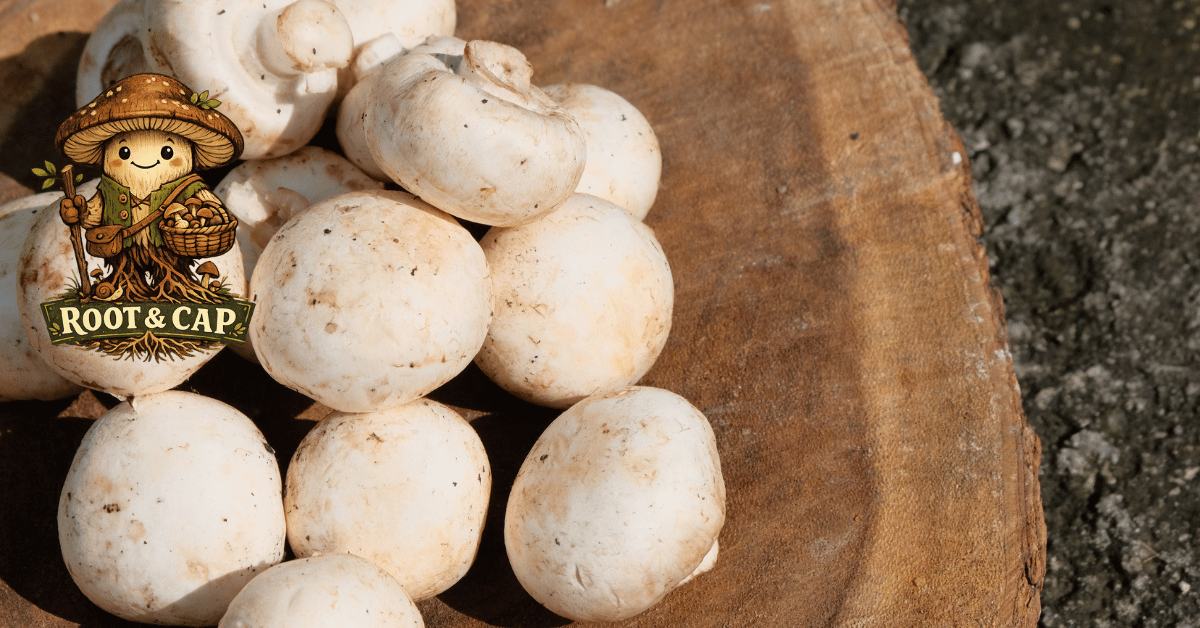
White button mushrooms are the most widely eaten fungi in the world, showing up everywhere from grocery stores to restaurant kitchens. Mild, affordable, and easy to work with, they’re often the first mushroom people cook with—sometimes without realizing how much technique influences the final result.
This guide explains what these mushrooms are, how they relate to other common varieties, and how they’re typically used in everyday cooking.
What They Are
These mushrooms are harvested at an early stage of growth, before the caps open. They belong to the same species as cremini and portobello mushrooms—the difference is maturity, not variety.
- Early harvest → small, closed caps
- Mid-stage harvest → cremini
- Fully mature → portobello
Because they’re picked young, they have a lighter color, firmer structure, and subtler flavor than their older counterparts.
Flavor and Texture
This variety is known for:
- A gentle, lightly earthy taste
- Firm flesh when raw
- Tender texture once cooked
Their mildness makes them especially adaptable. Rather than dominating a dish, they absorb seasoning, fat, and aromatics, making them a reliable base ingredient across many cuisines.
How They’re Commonly Used
These mushrooms are often treated as supporting players, but they’re capable of far more with proper handling.
Typical Uses
- Sautéed for soups, sauces, and stews
- Sliced raw for salads and sandwiches
- Added to pasta, rice, and grain dishes
- Baked into casseroles or savory fillings
Because of their moisture content, they benefit from sufficient heat and space in the pan to develop flavor.
How They Cook
Like all fresh mushrooms, they contain a high percentage of water. When exposed to heat, they:
- Release moisture
- Reduce significantly in size
- Develop deeper savory notes
This process is normal. Crowding the pan or cooking too gently can lead to steaming instead of browning, which affects texture and taste.
Nutritional Context
These mushrooms are low in calories and contribute:
- B vitamins such as riboflavin and niacin
- Small amounts of potassium
- Fiber and naturally occurring savory compounds
They’re best understood as a culinary and structural ingredient with supportive nutritional value rather than a concentrated nutrient source.
How to Choose Quality Mushrooms
Look for:
- Firm, dry surfaces
- Clean white or slightly off-white color
- Tight caps with no slime
Avoid any that feel sticky, smell sour, or show dark, soft spots.
Storage Notes
Proper storage makes a noticeable difference in shelf life and cooking quality.
Best practices include:
- Keeping them unwashed until use
- Storing in breathable packaging
- Refrigerating promptly
Excess moisture and sealed containers are the most common causes of early spoilage.
How They Compare to Other Varieties
Compared to other familiar mushrooms, this early-harvest form is:
- Milder than cremini or shiitake
- Less dense than portobello
- More neutral and adaptable than many specialty types
That neutrality is exactly what makes them so useful.
The Root & Cap Perspective
Familiar ingredients are often the most misunderstood. These mushrooms may be common, but they still respond dramatically to storage, handling, and cooking technique.
Learning how they behave is often the first step toward cooking mushrooms well across the board.
Bottom Line
These mushrooms are young, mild, and versatile. They’re easy to find, forgiving to cook with, and foundational for understanding how mushrooms behave in the kitchen.
Handled with care, they’re far more than a default option—they’re a practical starting point for better mushroom cooking overall.
Leave a Reply